
Anderson County Busted Mugshots
A booking photo in Anderson County is an ID picture. It gets taken when someone enters the jail. The Anderson County Sheriff's Office runs the county lockup, known locally as ACDC, and its online inmate portal shows who is in custody right now. A typical entry lists a name, some basic intake details, hold information, and a photo when ACSO has posted one. Treat it as a roster. It is not a photo gallery or a full criminal history.
Custody follows different paths here. Someone booked into ACDC generally shows up on the county roster first. Someone held by the City of Anderson may land in a separate Anderson Police Department detention search instead. Once local custody ends, the live roster goes quiet. Only the court file can tell you how a case turned out. The ACSO MyACSO resources page points to that inmate search as the tool for locating current and recent ACDC detainees.

Start there for any current custody question in the county. If a person no longer appears in the portal, a written request or a court file becomes the next step.
Anderson County Busted Booking Fields
ACDC's public layout draws a helpful line. It separates what appears on the roster from what you would need to request or pull from a court file. A name match alone proves little, since common names repeat across a county of this size. The portal lists the reported arrest date and sometimes a release date, though neither is a court date. Hold reasons show why the person was booked or kept, but later changes live in the Judicial Branch case record. Treat these fields as a way to recognize an Anderson County booking, not as a promise that every result will fill in every box.
| Field | What it shows or limits |
|---|---|
| Name | The name entered by the agency. Similar spellings should be checked with other official details. |
| Mugshot | A booking image only when ACSO included one for that record. It is not proof of guilt or present custody. |
| Sex and age | Configured public result fields. The portal shows age rather than a full date of birth. |
| Arrest and release dates | Booking-system dates and filters, not a hearing date or final case result. |
| Hold reasons and bond | Booking or holding information that can change. A bond is a release condition, not an adjudication. |
| Court record | Case number, hearings, and disposition must be checked through the court system or Clerk of Court. |
Can a release date settle the case? No. It only means the person is no longer listed as held on that custody record. The charge may still be pending, so confirm any real outcome in the court file.
- Booking
- Agency intake into detention, including identification and custody information.
- Bond
- A court-set condition that can allow release while a case continues.
- Arraignment
- A court appearance at which an accused person is formally advised of a charge.
- Disposition
- The later court result, such as a dismissal, plea, trial result, or other resolution.
Anderson County Record Requests
No photo on the live roster? ACSO's written Freedom of Information Act route is the official fallback. The agency offers an optional form but does not require one. A sharp request should name the person, give an approximate arrest or booking date, and identify the agency or incident when known. Be clear about what you want. Say whether you need the booking record, the photograph, or both. Ask for a cost estimate if media is involved. Exemptions and redaction can still limit what gets released.
- Use the ACSO FOIA page or write a specific request describing the record sought.
- Send it to ACSO, ATTN: Freedom of Information Act, 305 Camson Road, Anderson, SC 29625, or email foia@andersonsheriff.com.
- Ask whether the record is available electronically and request an estimate before ACSO begins media, search, retrieval, or redaction work.
- Keep the response with the relevant court record, especially when the question concerns a later change in the charge or case.
ACSO promises a final determination within ten business days, not counting weekends and legal public holidays. Records older than 24 months get twenty business days. If a request is granted, production must come no later than 30 calendar days after that determination, or 35 days for older records. These are response rules only. They don't promise every record or image gets released.
The posted fee schedule lists 25 cents for a black-and-white page and 35 cents for color. Staff time for search, retrieval, or redaction runs $20 per hour. A CD or DVD that can hold photographs costs $5, and a USB drive up to two gigabytes costs $15, plus postage where it applies. A nonrefundable 25 percent deposit of the estimated cost may be required. Electronic delivery skips the copying charge when available, though staff-time fees can still apply. The official ACSO FOIA page spells out the request route, the deadlines, and the local fee schedule.
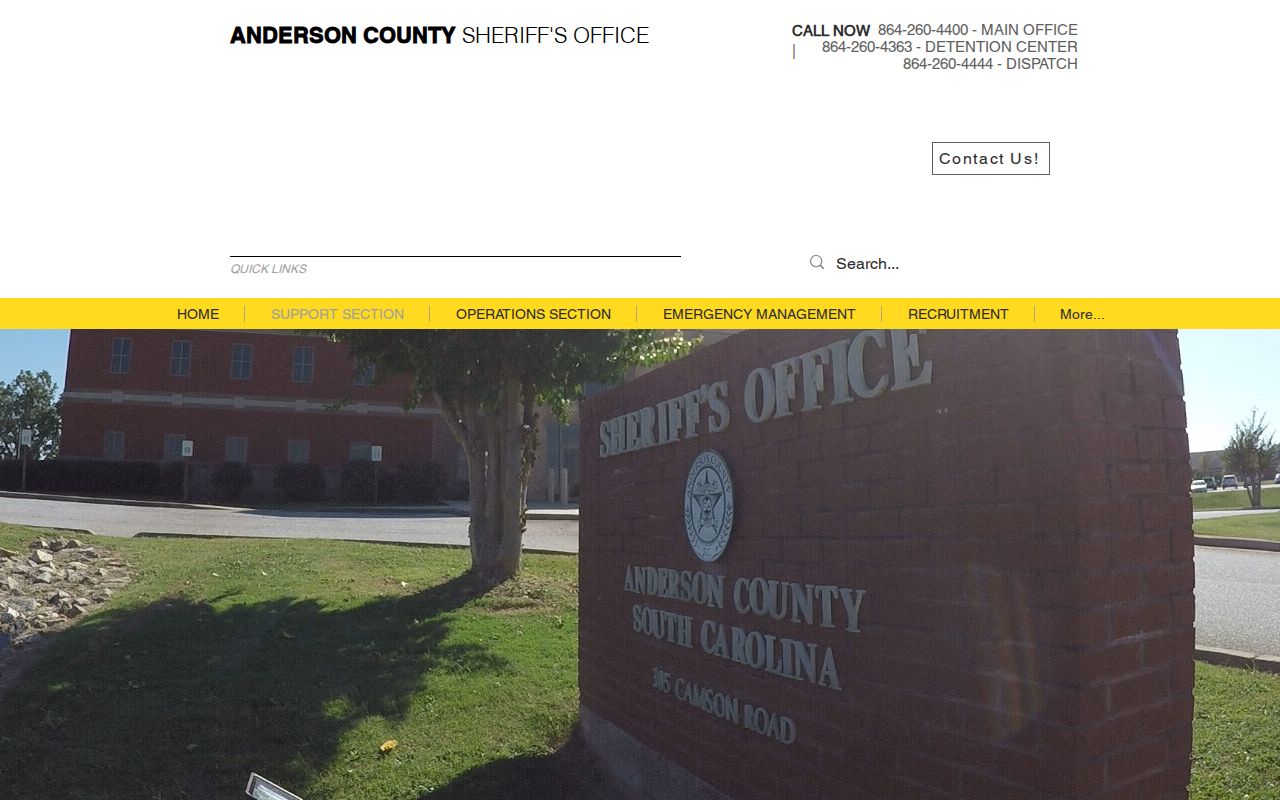
That agency path covers ACDC custody records. City of Anderson detention records go through the police department's own separate process instead.
Anderson County Busted Mugshot Law
South Carolina's public-records law, Title 30, Chapter 4, counts photographs as public records, subject to exemptions, privacy rules, and redaction. It backs inspection, copying, or electronic delivery of releasable records. The law also requires identifying documents for anyone held in a jail, detention center, or prison during the previous three months to be open for in-person review during operating hours, within statutory limits. Juvenile records, investigative files, and sealed material are another matter entirely.
Expungement works through the courts. It has its own eligibility rules. A roster entry vanishing, or a change on a private publisher's page, does not mean one happened.
S.C. Code Ann. § 17-1-60 bars private publishers from charging for the removal or revision of South Carolina arrest or booking material. A qualifying certified-mail request must identify the person, the arrest date, the arresting agency, the exact URL, and certified disposition or expungement paperwork. Qualifying requests then get a 30-day no-fee removal timeline. One wrinkle exists. When a charge was dismissed because of a plea to a lesser or different offense, the statute calls for revision rather than removal. Its news and media exceptions, plus its exclusion of government agencies, make clear this is not an ACSO takedown process. The official Title 17 text is the primary source for these no-fee rules.
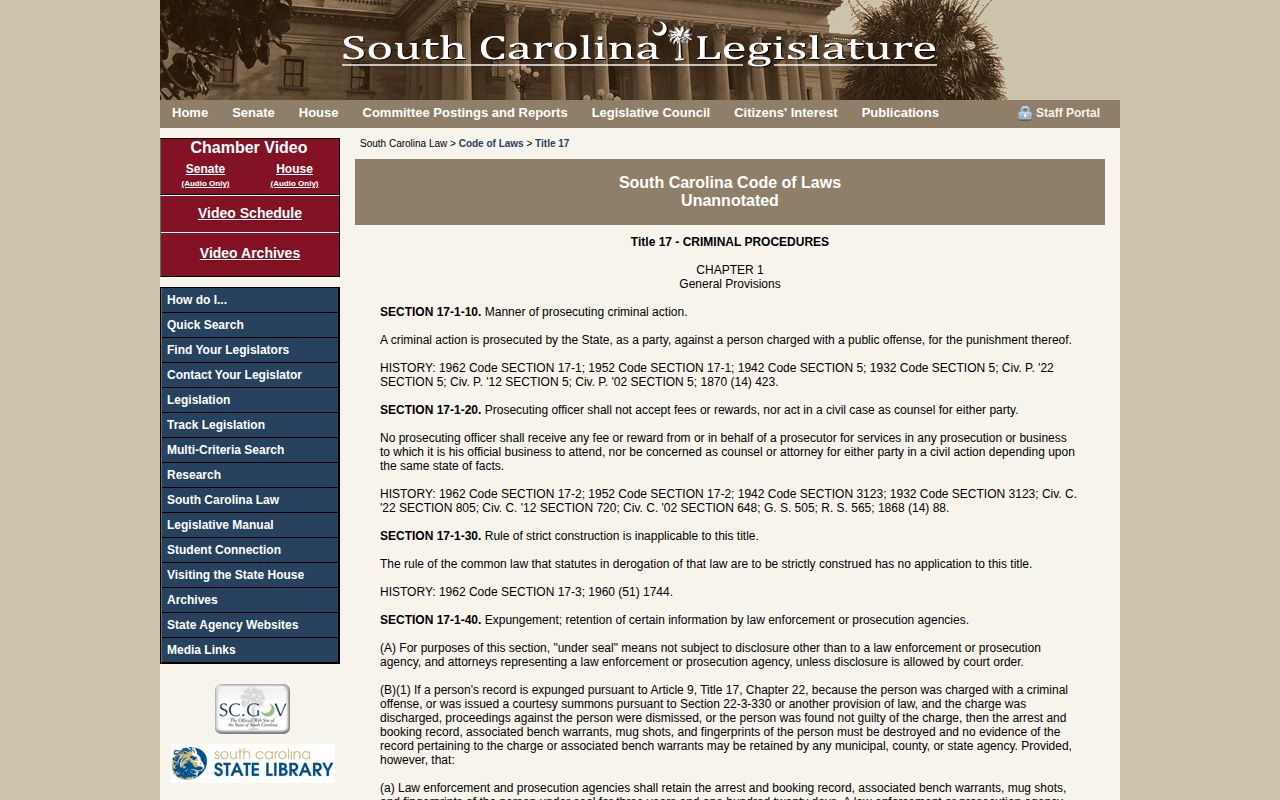
Fixing a mistake starts with the government side. A record error goes to the record custodian, and a court outcome requires the court result first. Some expungements go further. Under the statute, qualifying expungement can force destruction of named arrest, booking, warrant, mugshot, and fingerprint records, though limited sealed retention is allowed.
Private Anderson pages come last, only after those official steps. Busted Newspaper, RecentlyBooked, Arrests.org, and Mugshots.Zone each run a free correction or removal process, and each reviews its own documentation. Keep your final court document and the submission confirmation. Note: a publisher form is not an expungement order and decides nothing about a case.
Anderson County Records Retention
How long a record exists and how long it sits on a website are two different questions. ACSO has no fixed rule for how long a result stays on the ACDC roster. A listing appearing or vanishing tells you nothing about storage. The South Carolina Department of Archives and History county schedule sets the real terms. Booking reports are kept 10 years. Inmate records, covering booking in and out, rosters, charges, bond, and release, are retained 10 years after release. Jail books are permanent. Raw mugshots are destroyed once superseded or no longer needed.
This mix is why calling every Anderson County mugshot a ten-year record is wrong. Juvenile bookings fall under a distinct series, and expunged material follows a statutory sealed-and-destruction overlay. A sealed record stays closed unless a court orders otherwise. For a modern booking record, ACSO is the first contact. Historic jail books and court files are a separate State Archives project, not a source of modern booking photos.
Anderson County Busted Mugshot Lookup
Start with the custody system most likely to hold the person. Widen out only if it cannot answer. That single habit clears up most confusion. The City of Anderson runs its own detention, apart from ACDC. Belton gets police service from ACSO, so an ACDC search is the supported local route there. Williamston has a municipal department but no public city roster, which makes ACDC the county-custody lookup for anyone transported there. One caution deserves notice. A live roster is a snapshot, not a tally of every arrest in the county.
- For City of Anderson detention, search the official APD custody application; for ACDC custody, search ACSO’s official inmate portal.
- Use the person’s name, then carefully narrow an ACDC result with its arrest-date or release-date controls if needed.
- For a person sentenced to state prison, use the SCDC locator. For federal or immigration custody, use the separate federal tool that fits that system.
- If the live custody record is absent or incomplete, make a focused request to the agency that created it.
- Use the South Carolina Judicial Branch case search and the Anderson County Clerk of Court to check the later case path and disposition.
Third-party pages and local news can supply a lead. Nothing more. They cannot confirm current custody or a case outcome. For that, go straight to the official roster, the record custodian, and the court record. That order also prevents a common mix-up. You might confuse someone released from ACDC with a person transferred elsewhere, or with someone whose charge later changed in court.
| Channel | Photo possibility | Status and use |
|---|---|---|
| ACSO ACDC roster | Conditional Mugshot column | Official current-custody route for ACDC. |
| APD inmate lookup | Record-image area when available | Official City of Anderson detention route, separate from ACDC. |
| SCDC locator | Qualifying profile photo | Official current sentenced state-prison custody, not county intake. |
| ACSO FOIA request | Subject to disclosure review | Official record-copy fallback for an ACDC record. |
| Busted Newspaper and RecentlyBooked | Private-page imagery | Unofficial leads only. Verify with ACSO, APD, or court records. |
| Arrests.org and Mugshots.Zone | Private-page imagery | Unofficial and potentially stale. Never use as a custody or disposition finding. |
Mugshots.com has no confirmed Anderson County, South Carolina section, so a generic page there should not serve as a county lookup source.
Anderson County Busted Roster Search
The ACDC roster is ACSO's Zuercher portal for people in its custody. Start with the Name field. Clear old filters before searching another person. Beyond the name box, the portal offers Sex, In Custody On, Arrest Date, and Release Date controls. The In Custody On setting is built for current custody. The arrest and release fields simply narrow a name search. Treat them as filters, not as a verified historical booking archive.
| ACDC field | How to use it |
|---|---|
| Name | Begin here, then confirm the result against the agency details available. |
| Sex | A configured filter and result field that can help narrow a common name. |
| In Custody On | Current-custody setting, not a promised historical date archive. |
| Arrest Date | A result field and filter for a narrower current/recent roster query. |
| Release Date | A result field and filter. It does not decide the case outcome. |
| Mugshot and hold reasons | The image is conditional; the detail row records booking or holding information, not a conviction. |
- Open the official ACDC inmate portal.
- Search by name and review the displayed dates and hold-reasons detail carefully.
- Use an arrest or release filter only to refine the query, then reset it before another search.
- When a live answer matters, call the Detention Division general-information line at 864-260-4201 or use the ACSO records route for a record copy.
Where ACSO has attached a booking image, the official results can display it. No image is promised on every record. ACSO says the information updates regularly but may not reflect the most current status for every person. A no-result can stem from timing, a release, a transfer, a city or federal route, a spelling difference, or a nonpublic record. It settles nothing about a charge.
Anderson County Booking-Feed Gaps
There is no separately named ACSO feed covering the last 24 hours, 48 hours, 72 hours, a week, or multiple days of county bookings. The old weekly-bookings path no longer works. Do not treat it as current. For county custody, the same-day fallback is the ACDC roster's Arrest Date filter. It is a search control, not a sheriff's dashboard for today's bookings. ACSO promises no refresh schedule beyond regular updates. The Arrest Date and Release Date fields can narrow a name-and-date query, though ACSO never states how long a completed booking stays visible online. Older ACDC material belongs with a records request, or with the Judicial Branch case record when the question is what happened in court.
One city exception exists. APD, the City of Anderson department, runs its own detention application with a "Books 24hr" control. That tool covers APD detention only. It does not cover ACDC, and it does not cover every county arrest.
Among private pages, RecentlyBooked labels its Anderson inventory as the last 30 days. Arrests.org offers date archives. Mugshots.Zone keeps older monthly archives. These are features of nongovernmental sites, not ACSO publication windows. Use them as a lead after official sources. Then verify status through the applicable custody portal and court record.
Anderson County Court Records
Criminal court files in Anderson County live with the Clerk of Court once booking is done. That office takes in warrants, handles bail, and keeps the trial lists. It also holds the records for General Sessions cases. Start with the South Carolina Judicial Branch case-record system and pick Anderson County. One caution: new Clerk entries can take time to show up. The Judicial Branch does not promise the database is complete or fully current. When an online result looks thin, call the Clerk directly.
Find the office at 100 South Main Street, Anderson, SC 29624, or dial 864-260-4053. The county's Magistrates page adds another piece of the picture. Magistrates issue arrest, search, and bench warrants, and they set bonds. Keep these records straight, because they answer different questions. A warrant is not a court file. A roster entry at ACDC is not a disposition. Getting released from ACDC does not make a case go away.
What settles the booking question? The disposition. That could be a dismissal, a plea, a trial outcome, or some other court action. Online case searches can lag behind reality, which makes the Clerk the right place to verify anything incomplete.
Anderson County Booking App
The sheriff's office runs a mobile app for both iOS and Google Play. It delivers alerts, tips, and agency news. That is the whole job. It is not a booking archive and never was. There is no mugshot search tucked inside. No steady feed of new arrests appears there. Nothing in the app stays exclusive to it, either.
So keep your tools straight. The official roster and a direct call to the detention center remain the reliable routes for current ACDC custody. Social posts come with real limits. They can run late or show only a slice of what happened. Posts get corrected. Sometimes they vanish entirely. For anything precise, file a records request or check with the court.
Anderson County Custody Alerts
Want a heads-up when someone's custody status changes? ACSO connects to SAVIN through VINELink. It is a free notification service built for exactly that. You register the person you care about. The system then sends an alert when the status changes. That beats refreshing a roster all day. The service itself controls registration rules and availability, so the details live on its end. One limit is worth knowing. An alert tells you where things stand in custody, not how a court case later resolves.
Crime Stoppers plays a different role entirely. ACSO's linked route and Anderson Area Crime Stoppers gather tips through a local P3 submission form and a phone line. These are reporting channels. They are not booking records or custody alerts. Spot someone tied to a wanted listing? Pass what you know to law enforcement. Never approach or try to detain the person yourself. That job belongs to officers.
Anderson County Busted Custody Paths
County custody is only one piece of the picture. When someone has moved past the local jail, the South Carolina Department of Corrections holds the record you need. The official SCDC public locator covers people sentenced to state incarceration, with data current through midnight the previous day. Search by SCDC number, State Identification number, or name. Profiles that qualify include a photograph. The tool leaves out several groups: county-detention sentences, anyone already released from SCDC, people on community supervision, juveniles, and fugitives currently at large. It also is not a substitute for an Anderson County booking search, since its focus stops at the state prison system.
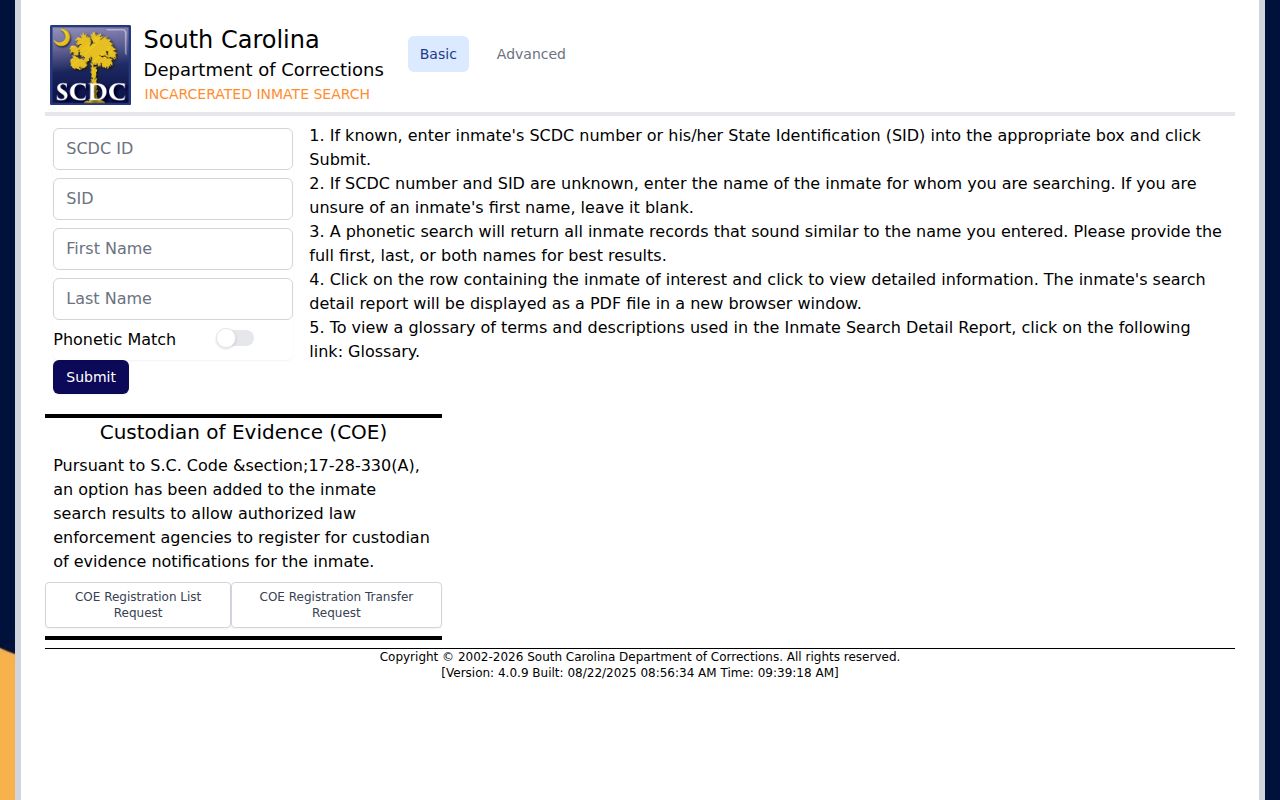
Treat an SCDC hit as evidence of state-prison custody and nothing more. It cannot tell you whether someone was recently booked at ACDC. Records beyond the live locator go through the agency's FOIA Coordinator.
Federal custody runs on separate rails. The BOP locator tracks federal inmates from 1982 forward. You can search by name filters or a federal register number. Results list the name, register number, release date, and location. There is no booking-photo field. ICE's Online Detainee Locator System handles a different corner. It covers current ICE custody plus CBP holds running longer than 48 hours. The tool demands exact identification details and excludes anyone under 18. Neither one doubles as an Anderson County arrest database. Keep them in reserve for the custodies they actually cover.
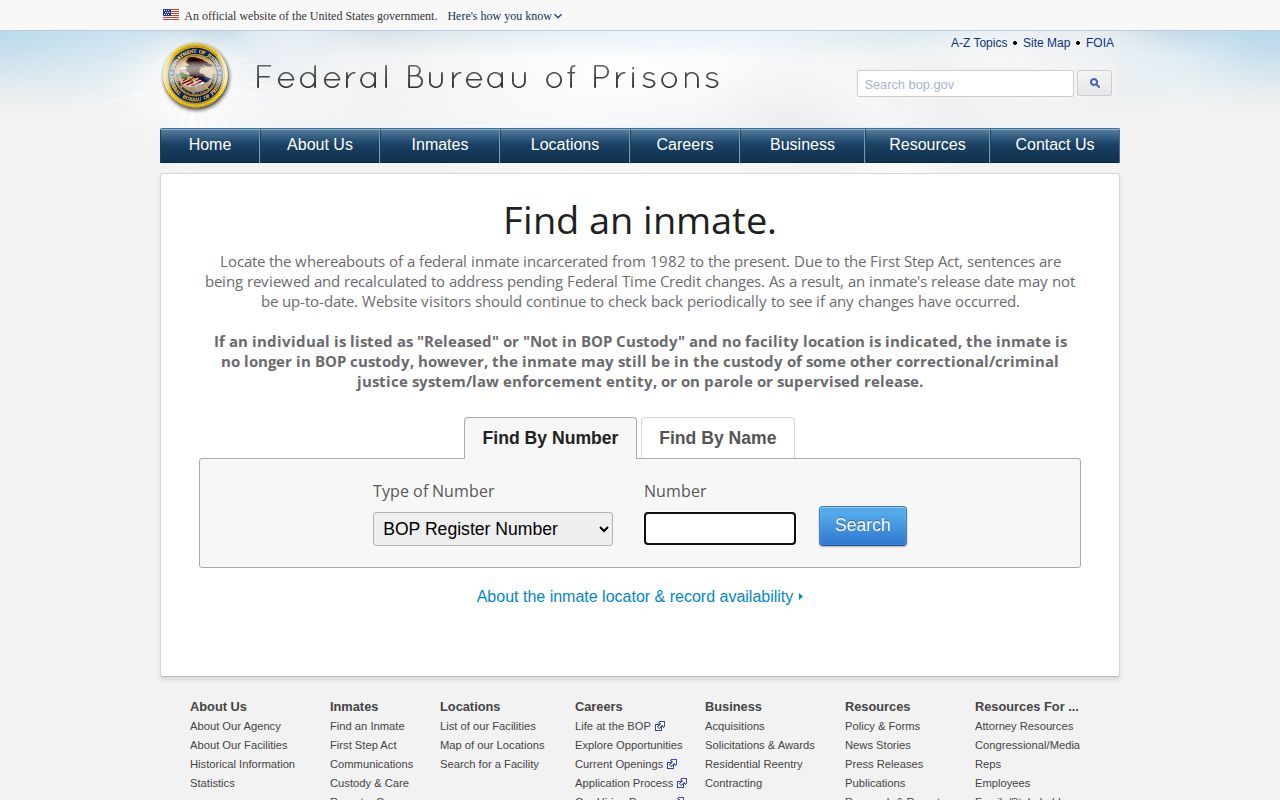
Federal and ICE results answer to a different system. Local custody looks nothing like them. Treat each separately, and check case details with the right court or record custodian instead of mixing the two.
| Custody or record state | Official place to check | What it can answer |
|---|---|---|
| City of Anderson detention | APD inmate lookup | City custody record, which may differ from ACDC. |
| County current custody | ACSO ACDC roster | Current/recent county detention information. |
| Released from local custody | ACSO or APD record request, then court | Record-copy route and later case information. |
| Sentenced state prison | SCDC locator | Current SCDC confinement, not county intake. |
| Federal or immigration custody | BOP or ICE locator | The separate federal or immigration custody scope. |
Anderson County Busted City Bookings
A city label tells you little on its own. What matters is finding the right record custodian. Anderson, Belton, and Williamston each take a different local path, and the city pages keep those differences clear. The City of Anderson runs its own detention route. Belton relies on ACSO for police services, per its official city information. Williamston has a municipal police department but no verified public roster of its own. For how a case ends up, the later court record is still the place to look.
- Anderson Busted Mugshots: City of Anderson Police detention may be separate from ACDC, so search the city tool before assuming a county roster absence answers the question.
- Belton Busted Mugshots: ACSO supplies police services, making ACDC the official county-custody path when the booking enters detention.
- Williamston Busted Mugshots: Williamston Police handles municipal reports, while ACDC is the county-custody route when transport there occurred.
The Journal Online crime index gathers public-safety stories from around the county and its cities. It is article-based coverage, though. That makes it context, not a roster. It is also not a steady booking feed. Agency releases and local reporting help fill in the picture after the official source. Still, the custody portal and the court record are where facts get verified.
Anderson County Jail Transition
Anderson County is planning a new detention center to take the place of its older jail. Construction could wrap up by December 2026. That timeline matters for bricks and mortar. It does not change who holds the records. The Anderson County Detention Center roster and the Anderson County Sheriff's Office records request remain the supported routes for booking and custody information.
The safest habit during a transition like this is simple: verify before you act. Addresses, phone numbers, and booking destinations can shift once a new facility opens, so confirm details with ACSO first. The basic rule still holds regardless of the construction schedule. A current roster shows who is in custody. A records request pulls the agency's file. The court record carries the final outcome.